nthLink is built on technologies that have defeated even the strictest internet censorship systems. It automatically:
Unlike many VPNs that store often-obsolete address lists in their apps, nthLink’s mobile app can connect to the Internet even when it has been a long time since you have used it.
The nthLink app calculates fresh server addresses based on where you are and the device you are using, enabling you to connect even in locations where many of its addresses are being blocked. It keeps trying until it finds a secure connection for you.
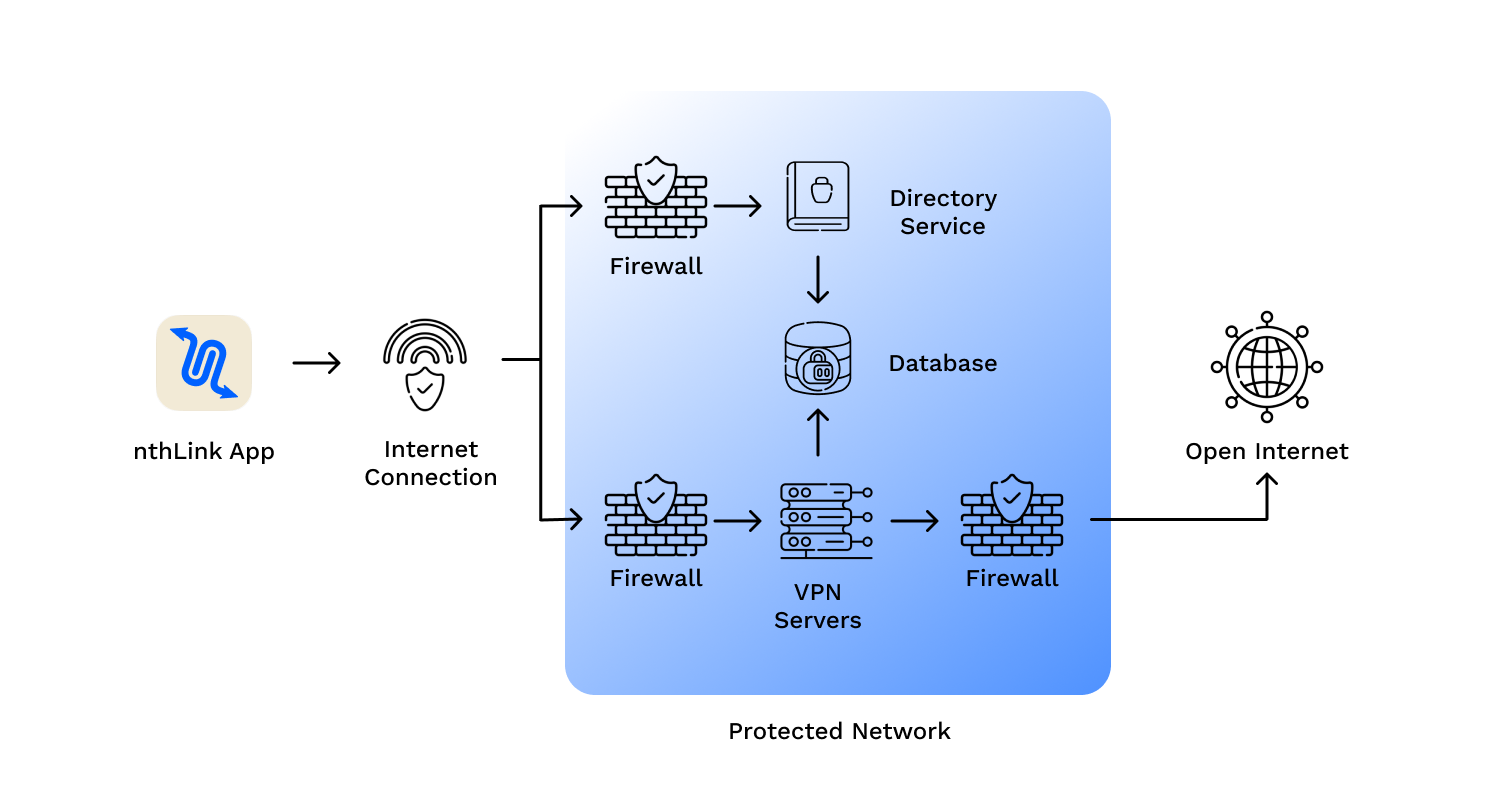
Just install and tap the button and you’re online – inside a reliable and secure network.
We do not track your activities and use best data minimization practices for our server infrastructure.
nthLink uses the strongest available encryption standards so your Internet traffic cannot be inspected.
Explore resources from the National Center for Transgender Equality (NCTE) , Trans Lifeline (877-565-8860) , or your local LGBTQ community center. Listen to trans creators, read trans literature (like Stone Butch Blues by Leslie Feinberg), and look up to the stars—because trans people have been making history under the rainbow long before we had a letter for it.
This distinction explains why the "alliance" within the acronym is so crucial. LGBTQ culture is not a monolith; it is a coalition. The "L," "G," and "B" rely on the "T" to challenge rigid gender roles that also oppress same-sex attraction. The "T" relies on the "L," "G," and "B" for protection against heteronormative violence and political lobbying power. While LGBTQ culture celebrates pride, drag, and same-sex marriage, the transgender community faces a set of unique medical, legal, and social hurdles that often overshadow the broader gay agenda. 1. Medical Gatekeeping and the Healthcare Crisis For cisgender gay people, acceptance is a social and legal battle. For trans people, it is a biological and bureaucratic nightmare. Access to gender-affirming surgeries (top surgery, bottom surgery, facial feminization) and Hormone Replacement Therapy (HRT) is often controlled by outdated diagnostic criteria. The notorious "real-life experience" test—requiring a trans person to live as their gender for a year before receiving hormones—illustrates a cruel catch-22 unique to this demographic. 2. The Violence Epidemic The Human Rights Campaign consistently tracks devastating rates of fatal violence against the transgender community, specifically Black and Latina trans women. In many major US cities, the murder rate for trans women of color is exponentially higher than the general population. While hate crimes affect the entire LGBTQ spectrum, the specific fetishization and dehumanization of trans bodies create a lethal vulnerability that cisgender gay people rarely face. 3. Legal Erasure and Bathroom Bills While the fight for same-sex marriage (Obergefell v. Hodges, 2015) was the capstone of LGB legal strategy for decades, the fight for the transgender community is still in the trenches over basic access to public restrooms, locker rooms, and sports teams. The wave of "bathroom bills" targeting trans children in schools is a modern phenomenon that highlights how the trans community is currently the primary target of conservative political backlash. Intersectionality and Internal Culture Wars Despite the shared rainbow flag, the relationship between some cisgender LGB people and their transgender siblings is not always harmonious. This friction is often categorized by the term trans exclusionary radical feminism (TERF) , though many activists simply call it bigotry.
In the sprawling tapestry of human identity, few threads are as vibrant, resilient, and historically significant as those woven by the transgender community within the broader LGBTQ culture. To the outside observer, the terms "LGBTQ" and "transgender" often appear interchangeable—a single alphabet soup of marginalized sexualities and gender identities. However, insiders know a more complex truth: the relationship between the transgender community and mainstream LGBTQ culture is one of symbiosis, divergence, and profound mutual reliance. shemale tube tgp best
The cultural reasoning is sound: The same violent patriarchy that punishes a masculine woman or a feminine man is the exact same system that denies trans identity. You cannot fight for the right to wear a tuxedo if you are a woman while denying the existence of a woman assigned male at birth. Despite the grim statistics and political attacks, the current moment in LGBTQ culture is defined by a transgender renaissance. Media representation has exploded from tragic, one-off "after school special" villains to complex, joyful characters. Shows like Pose (featuring the largest cast of trans actors in history), Disclosure (a documentary on trans representation in film), and the rise of actors like Elliot Page and Hunter Schafer have fundamentally shifted public consciousness.
Figures like (a self-identified drag queen and trans activist) and Sylvia Rivera (a Latina trans woman and founding member of the Gay Liberation Front) were not merely participants; they were the spark. For years, mainstream (predominantly white, cisgender) gay organizations sidelined these activists, advocating for respectability politics—asking queer people to dress "normally" and hide their gender non-conformity to appease straight society. Explore resources from the National Center for Transgender
Understanding this dynamic requires us to look beyond the acronym. It requires a journey through riot-torn history, a breakdown of linguistic nuance, and a hard look at the modern political landscape where trans rights have become the frontline of the fight for queer liberation. To separate transgender history from LGBTQ culture is to rewrite history incorrectly. The modern gay rights movement, as we know it, was baptized in fire at the Stonewall Inn in 1969. While popular media often sanitizes this event into a narrative of gay men fighting police brutality, the truth is that the vanguard of Stonewall was led by transgender women of color.
However, mainstream LGBTQ culture has overwhelmingly rejected this stance. Major organizations like GLAAD, the Trevor Project, and the Human Rights Campaign have cemented their position: LGBTQ culture is not a monolith; it is a coalition
LGBTQ culture is at its best when it is messy, inclusive, and rebellious. When it tries to be neat, conformist, and "respectable," it inevitably tries to eject the transgender community. But history has proven that the T is not an add-on; it is the conscience of the movement.