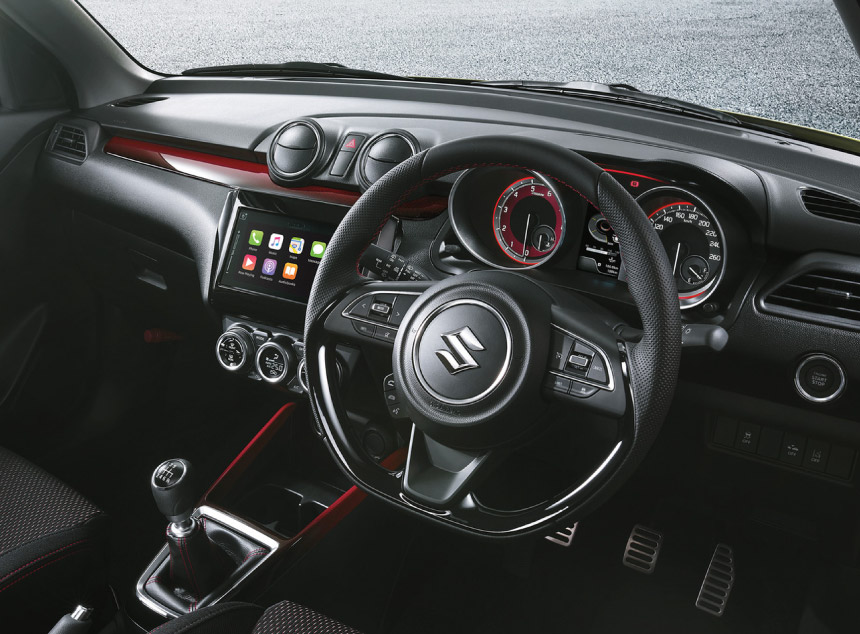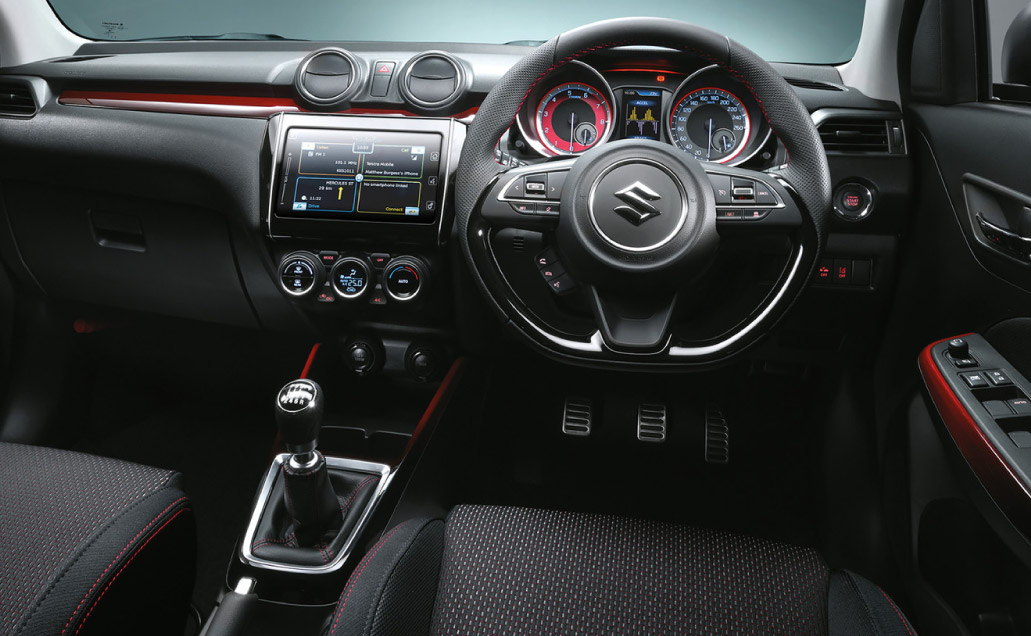


The icon returns with more fun and responsive performance!
DOWNLOAD BROCHURE BOOK A TEST DRIVEPERFORMANCE
The icon returns with more fun and responsive performance!
Indian family lifestyle is often described as a beautiful chaos—a symphony of clanking spices, the chatter of cousins, the ringing of temple bells, and the negotiating of remote working spaces between generations. Unlike the nuclear, silent homes of the West, an Indian household is an organism that breathes collectively.
But when crisis hits—a death, a job loss, a pandemic—the Indian family becomes a fortress. Everyone sleeps on the floor to make room for a relative. Everyone shares the last packet of Maggi noodles. Everyone cries together during the Karwachauth or Makar Sankranti celebrations.
If you want to understand India, do not look at the GDP data or the cricket scores. Look at the 7:00 AM chai huddle, the 9:00 PM saas-bahu TV drama watching, and the 1:00 PM lunch where five people eat from the same steel thali . That is the real India. A Final Bedtime Story It is 10:30 PM in a home in Kolkata. The son is working late on his laptop. The mother walks in with a glass of doodh (milk). The son says, "Mom, I’m not a child." She places it on the table and leaves. Twenty minutes later, he drinks it, leaves the glass in the sink, and goes to sleep. The father wakes up at 2:00 AM to use the washroom, sees the glass, washes it, and places it in the rack. No words were exchanged. No "thank you" was said. That is the silent, profound, daily life story of an Indian family —where love is a verb, not a noun. Do you have your own daily life story from an Indian family? The fight over the window seat in the car, the recipe passed down from Baa , or the time the entire family pretended not to notice the electricity went out? Share them—because in India, every day is a story worth telling.
Indian family lifestyle is often described as a beautiful chaos—a symphony of clanking spices, the chatter of cousins, the ringing of temple bells, and the negotiating of remote working spaces between generations. Unlike the nuclear, silent homes of the West, an Indian household is an organism that breathes collectively.
But when crisis hits—a death, a job loss, a pandemic—the Indian family becomes a fortress. Everyone sleeps on the floor to make room for a relative. Everyone shares the last packet of Maggi noodles. Everyone cries together during the Karwachauth or Makar Sankranti celebrations. savitabhabhikirtuallepisodes1to25englishinpdfhq best
If you want to understand India, do not look at the GDP data or the cricket scores. Look at the 7:00 AM chai huddle, the 9:00 PM saas-bahu TV drama watching, and the 1:00 PM lunch where five people eat from the same steel thali . That is the real India. A Final Bedtime Story It is 10:30 PM in a home in Kolkata. The son is working late on his laptop. The mother walks in with a glass of doodh (milk). The son says, "Mom, I’m not a child." She places it on the table and leaves. Twenty minutes later, he drinks it, leaves the glass in the sink, and goes to sleep. The father wakes up at 2:00 AM to use the washroom, sees the glass, washes it, and places it in the rack. No words were exchanged. No "thank you" was said. That is the silent, profound, daily life story of an Indian family —where love is a verb, not a noun. Do you have your own daily life story from an Indian family? The fight over the window seat in the car, the recipe passed down from Baa , or the time the entire family pretended not to notice the electricity went out? Share them—because in India, every day is a story worth telling. Indian family lifestyle is often described as a
SAFETY
While the Suzuki Swift Sport offers adrenaline pumping driving experience, it is also equipped with necessary safety features to keep you safe at all times.






RM130,900.00 - Peninsular Malaysia
RM135,700.00 - East Malaysia