
 Corona SDK (Solar2D)
 Love2D
 Orbit
Orbit
 OpenResty
 LuaSocket
 Torch
Torch
 NodeMCU
Join our community to see how developers are using Workik AI everyday.
Features Of Lua Generator

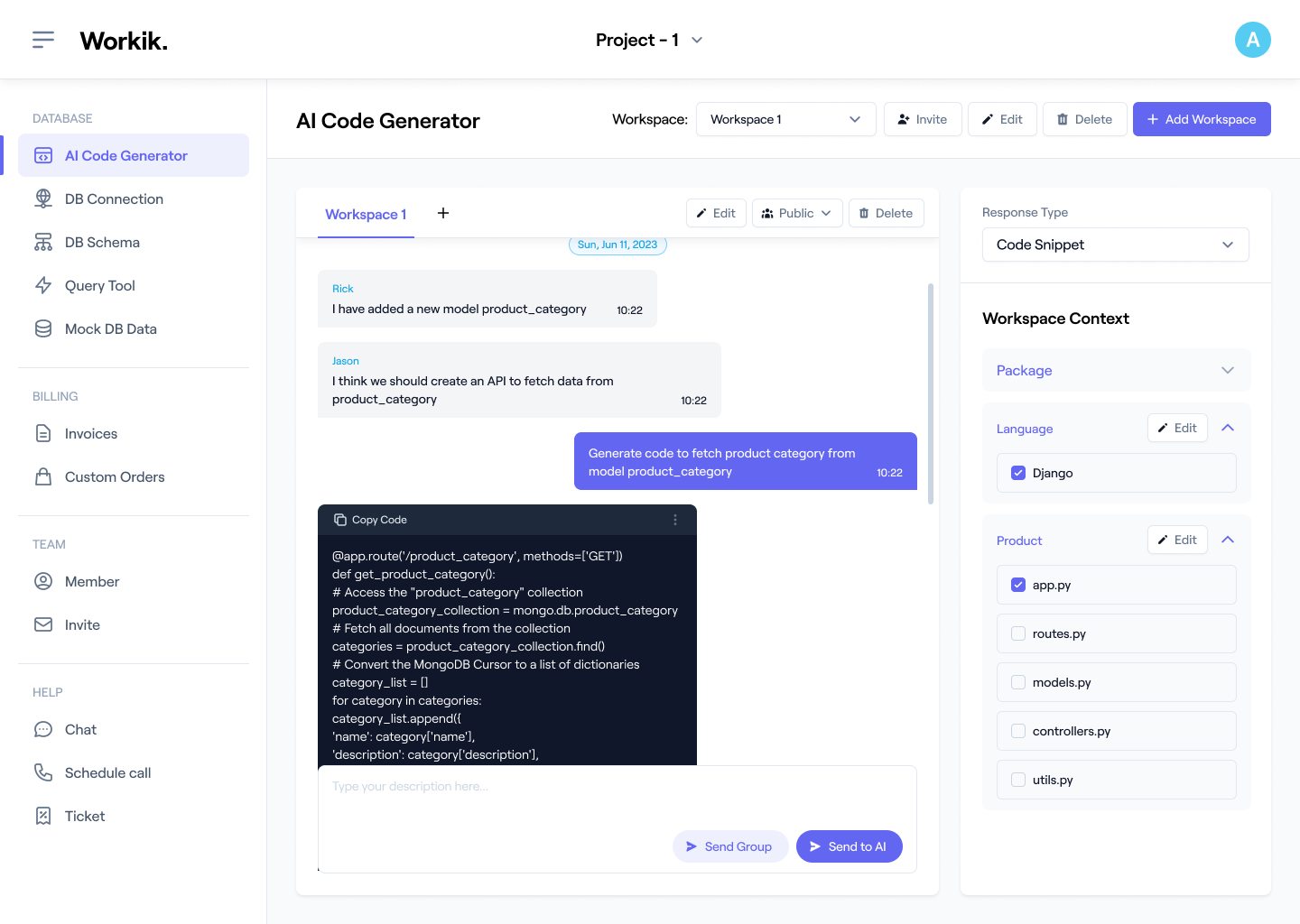
Instant Lua Code Generation
Workik’s AI adapts to your project’s context, generating functional code ready for deployment.

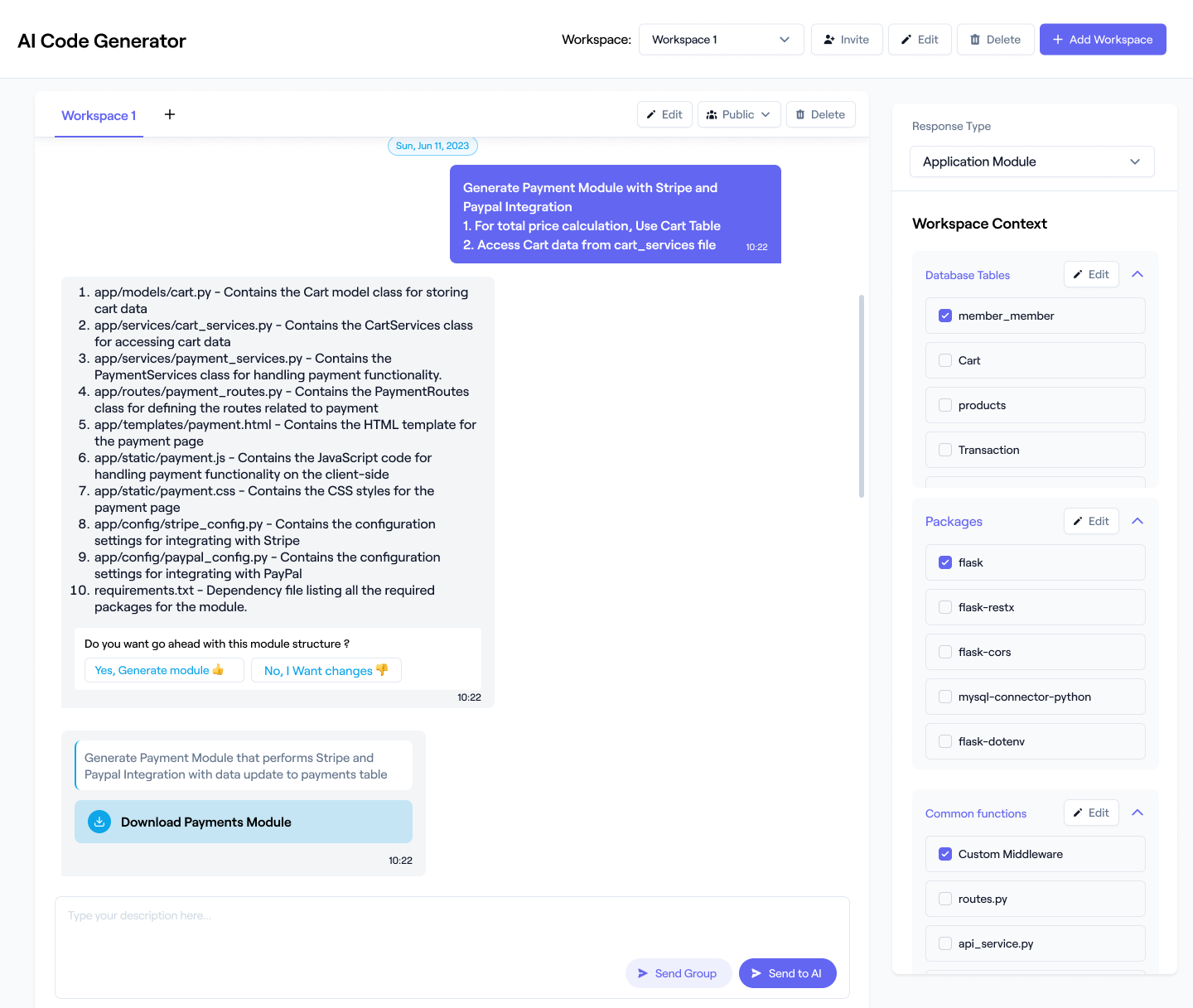
AI-Powered Debugging & Optimization
Whether optimizing Garry’s Mod scripts or improving frame rates in TIC-80, AI ensures your Lua code runs efficiently.
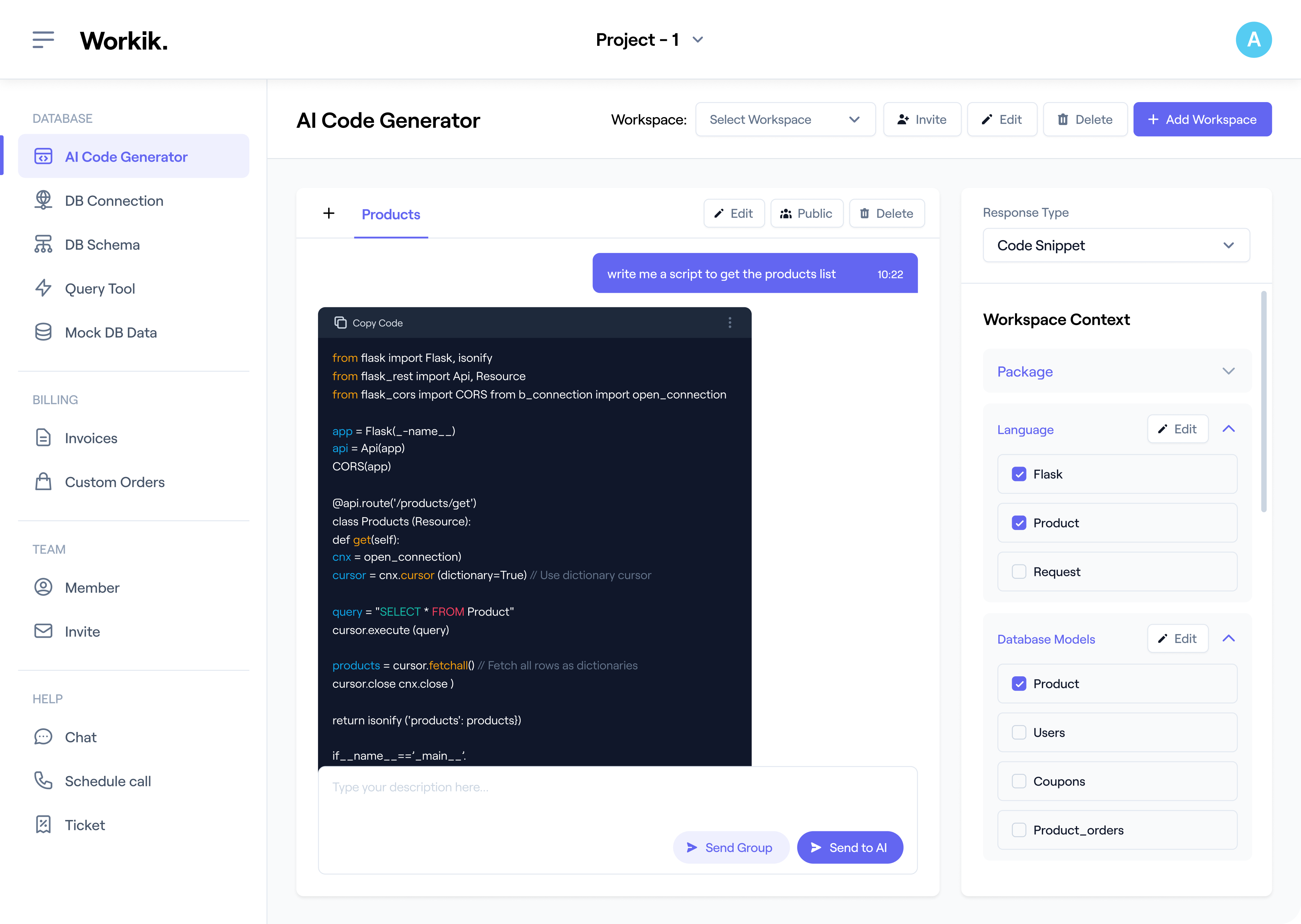
Seamless API Integration
Whether you're using OpenResty or NodeMCU, AI ensures smooth integration into your project.
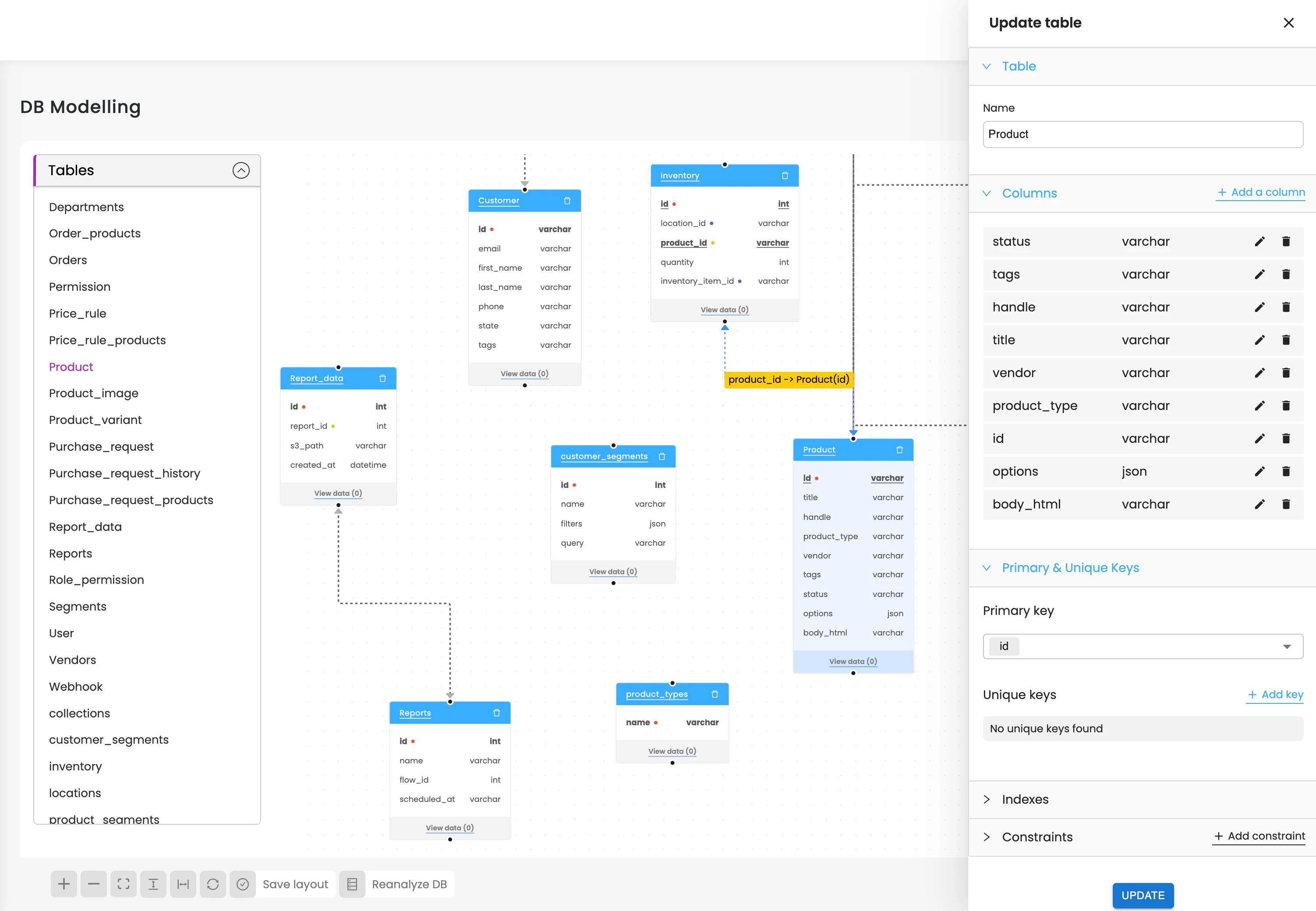
Cross-Platform Scripting
Generate Lua scripts compatible with Windows, macOS, and Linux, ensuring cross-platform efficiency.

TESTIMONIALS
Real Stories, Real Results with Workik

Workik nailed my API integrations with Lapis. AI-generated Lua scripts saved me hours!

Alexa Morgan
Web Developer
Workik’s Lua generator made building my Love2D game a breeze! Fast, clean code – no hassle!

Samantha Lee
Junior Game Developer
Debugging Lua scripts in Defold was tough – until Workik’s AI optimized everything fast!

Chris Dawson
Lead Engineer
Try Lua Generator For Free
When the play was first published as a vachan natak (a play meant for reading, not performance), many critics doubted it would succeed on stage. They argued it was too sad, too long, and too intellectual. They were wrong. No article on Natsamrat can be complete without mentioning the actor who immortalized the role of Appa: Dr. Shriram Lagoo .
However, to say that Natsamrat was merely "written" by Kusumagraj is like saying the Himalayas were "made" by tectonic plates. It is technically correct, but it misses the soul, the struggle, and the seismic cultural impact of the work. This article delves deep into the origins, the author, and the timeless appeal of the play that redefined Marathi theater. To understand the play, one must first understand the playwright. Kusumagraj (1912-1999) was not just a writer; he was a pillar of the post-Independence Marathi literary renaissance. A recipient of the Jnanpith Award (1974), the Padma Shri (1970), and the Sahitya Akademi Award (1974), his repertoire spanned poetry, short stories, and novels.
But his most explosive contribution to the world of performance remains Natsamrat (literally, "The Emperor of Acting").
The second half of the play is a devastating psychological breakdown. Appa, stripped of his home and dignity, clings to the only thing left: his art. Drunk and hallucinating, he performs a one-man show for the ghosts in the graveyard. The climax, where he dies upon an imaginary stage speaking lines from King Lear , is considered one of the most heart-wrenching scenes in world theater. The play was written in 1970 . This period was crucial for Marathi theater. The "Sangeet Natak" (musical drama) era was dying, and the "Experimental Theater" movement was rising. In this transitional phase, Natsamrat acted as a bridge. It retained the dramatic gravitas of classic tragedy but adopted a realistic, prose-driven style.
Explore more on Workik


