Can you take the feeling of a story with you without a device? Can popular media exist in the spaces between signals?
This scarcity creates a new kind of popularity: . koel molik xxx portable
If you haven't heard of Koel Molik yet, you will. She is not just a content creator; she is a format disruptor. In an era where "portable" usually means "streamable," Molik is asking a radical question: What happens when the content is the hardware? To understand the Koel Molik effect, we must first diagnose the problem with current portable entertainment. Today, the term is largely a euphemism for "on-demand data." When you watch Netflix on a subway, listen to a Spotify playlist while jogging, or scroll TikTok during a layover, you are engaging with popular media, but you are not truly untethered. Can you take the feeling of a story
Passengers had no Wi-Fi. No phones were allowed in the viewing decks. They watched films alone, on e-ink screens, in the dark, with only the sound of the Atlantic Ocean as their score. If you haven't heard of Koel Molik yet, you will
In her own words, spoken at the end of the Quiet Storm tour as the ferry docked in London: “The most radical thing you can do with a story is to let it end. To close the device. To plant the paper. To look at the sea. Portable entertainment should not fill the silence. It should teach you to love the silence again.”
Whether she remains a niche cult figure or truly reshapes the industry, one thing is certain: Koel Molik has reminded us that the best stories aren’t the ones we stream. They’re the ones we carry with us, long after the battery dies. For more on Koel Molik, portable entertainment content, and the future of popular media, subscribe to her quarterly pamphlet, “The Offline Review.” Available wherever seed-paper is sold.
By the time the ferry docked, those ten films had become the most talked-about popular media of the year—not because of streaming numbers, but because of the stories passengers told upon arrival. The scarcity of the experience created a mythical aura. Major studios took notice. Koel Molik’s rise signals a turning point. For two decades, big tech convinced us that "more" was the answer: more pixels, more bandwidth, more content. But Molik proves that portable entertainment content is not about gigabit speeds; it is about psychological portability .
Can you take the feeling of a story with you without a device? Can popular media exist in the spaces between signals?
This scarcity creates a new kind of popularity: .
If you haven't heard of Koel Molik yet, you will. She is not just a content creator; she is a format disruptor. In an era where "portable" usually means "streamable," Molik is asking a radical question: What happens when the content is the hardware? To understand the Koel Molik effect, we must first diagnose the problem with current portable entertainment. Today, the term is largely a euphemism for "on-demand data." When you watch Netflix on a subway, listen to a Spotify playlist while jogging, or scroll TikTok during a layover, you are engaging with popular media, but you are not truly untethered.
Passengers had no Wi-Fi. No phones were allowed in the viewing decks. They watched films alone, on e-ink screens, in the dark, with only the sound of the Atlantic Ocean as their score.
In her own words, spoken at the end of the Quiet Storm tour as the ferry docked in London: “The most radical thing you can do with a story is to let it end. To close the device. To plant the paper. To look at the sea. Portable entertainment should not fill the silence. It should teach you to love the silence again.”
Whether she remains a niche cult figure or truly reshapes the industry, one thing is certain: Koel Molik has reminded us that the best stories aren’t the ones we stream. They’re the ones we carry with us, long after the battery dies. For more on Koel Molik, portable entertainment content, and the future of popular media, subscribe to her quarterly pamphlet, “The Offline Review.” Available wherever seed-paper is sold.
By the time the ferry docked, those ten films had become the most talked-about popular media of the year—not because of streaming numbers, but because of the stories passengers told upon arrival. The scarcity of the experience created a mythical aura. Major studios took notice. Koel Molik’s rise signals a turning point. For two decades, big tech convinced us that "more" was the answer: more pixels, more bandwidth, more content. But Molik proves that portable entertainment content is not about gigabit speeds; it is about psychological portability .

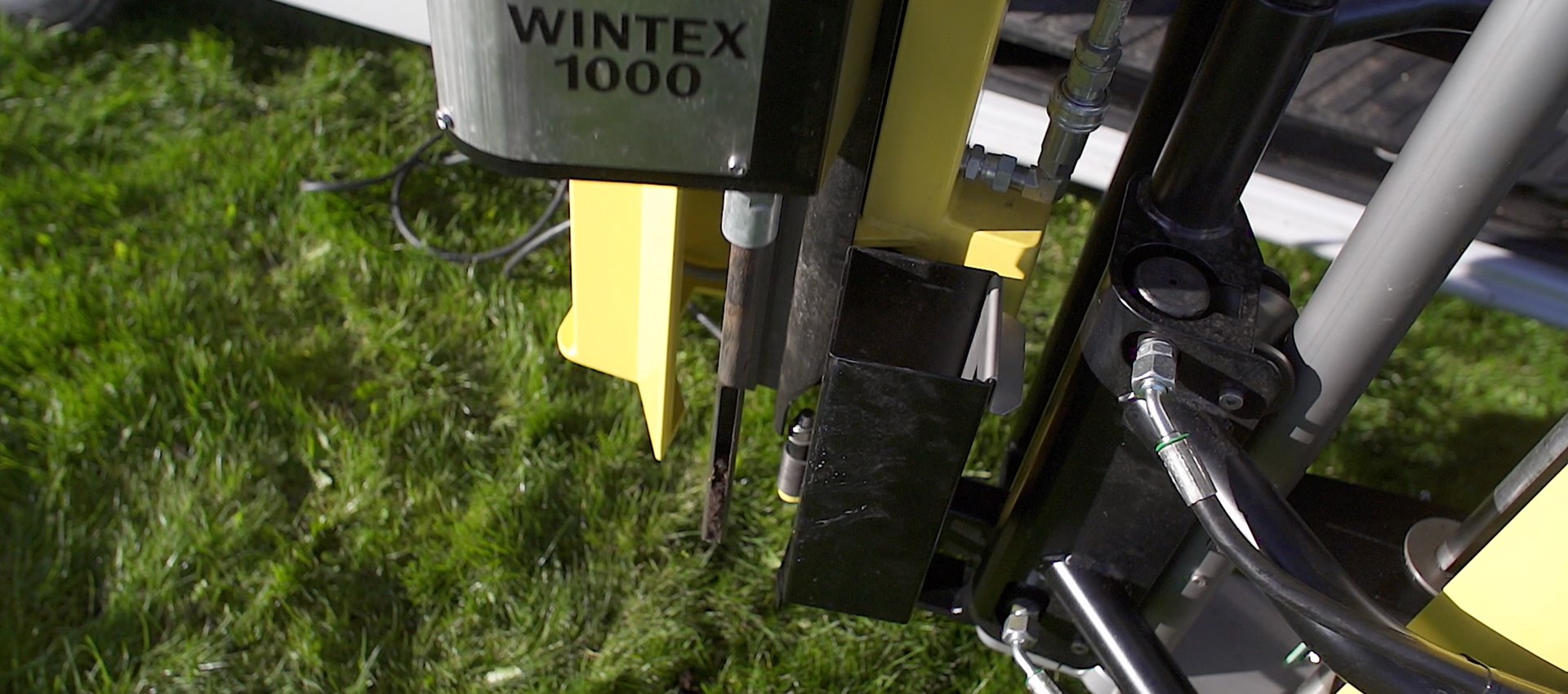
Our technology and equipment is designed for taking soil samples in all depths. Because precision and thoroughness matters and is a claim at all levels of soil analysis. We are going down into the depth – if necessary down to 200 cm. Simply as deep as necessary.
The owner of Wintex Agro is Torben Vinther who is educated and examined in agriculture and the cultivation of plants. With his outstanding know-how and great experience within precision farming and farming in general, he has specialized in developing and manufacturing automatic soil samplers.