যে অন্যের সাথে দুর্ব্যবহার করে, তার সাথে প্রতিশোধমূলক দুর্ব্যবহার হয়।
While many free PDFs exist, we encourage you to support small Bengali publishers by purchasing a legal copy if possible. However, for those with limited resources, the public domain treasures on Archive.org and NDLI are gifts.
For students, parents, and nostalgic adults, finding a reliable, complete is a common quest. This article serves as your comprehensive guide—exploring the history of these stories, their moral significance, where to find authentic PDFs, and why reading them in Bengali is crucial for cultural preservation. Part 1: What Exactly is “Ishoper Golpo”? Unpacking the Terminology The Aesop-Vidyasagar Connection Many Bengali speakers mistakenly attribute Ishoper Golpo to Ishwar Chandra Vidyasagar because of the similar prefix "Isho." However, the name derives from Aesop (Greek: Αἴσωπος), a slave and storyteller from ancient Greece (c. 620–564 BCE). Aesop never wrote his fables down; they were passed orally for centuries before being compiled.
(English Moral: Do not do unto others what you would not want done to you.)
পরের দিন বক শিয়ালকে নিমন্ত্রণ করল। সে একটি লম্বা সরু ঘটিতে খাবার দিল। শিয়ালের মুখ সেই সরু মুখের ঘটিতে ঢোকে না। বক নিজে আরামে খেল। শিয়াল ক্ষুধার্ত অবস্থায় ফিরল।
Have you found a rare edition of Ishoper Golpo ? Share the PDF link or scan in the comments below (if legal). Let’s build a digital library of Bengali classics together.
MASSAGE
SEND
×The message has been sent!
In the near future we will reply to you.
Regards WDS
|
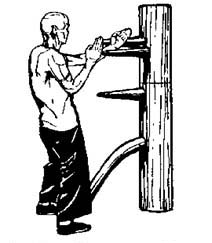
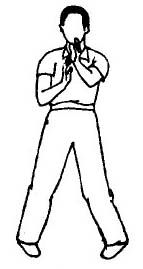
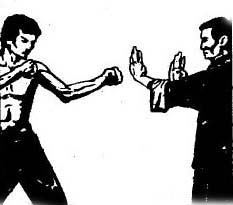
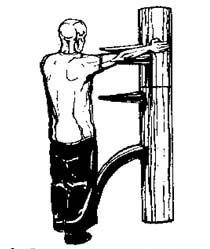
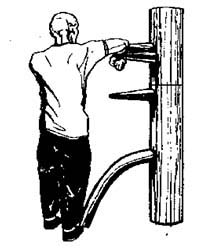
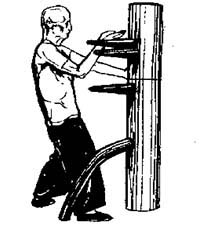
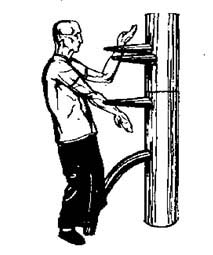
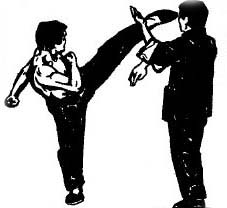
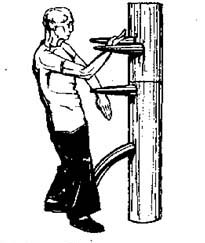
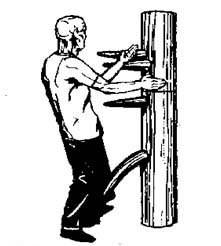
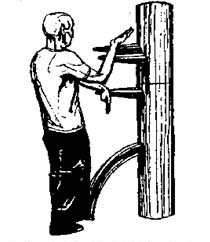
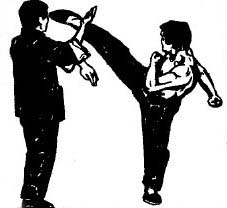
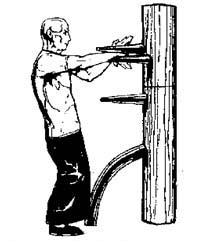
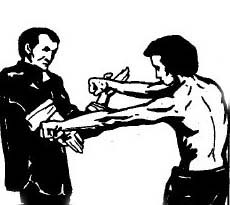
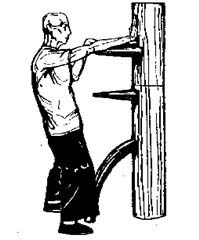
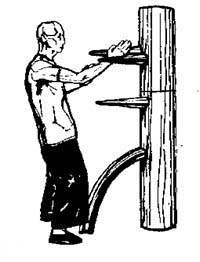
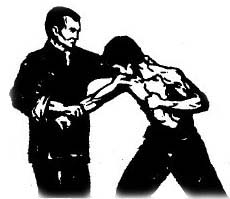
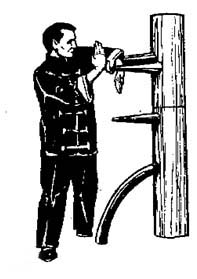
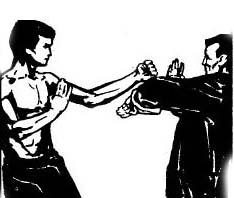
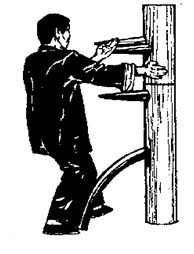
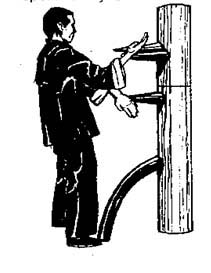
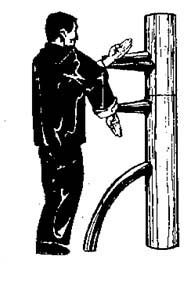
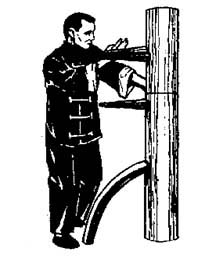
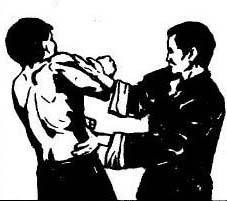
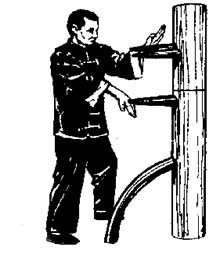
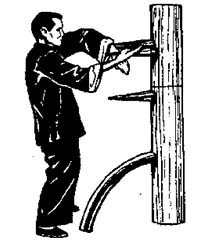
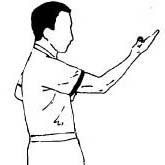
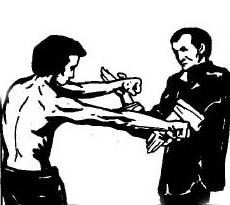
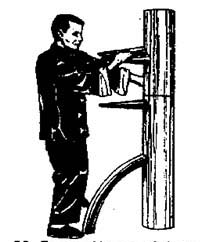
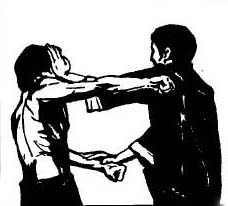
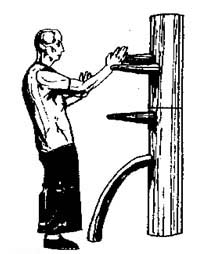
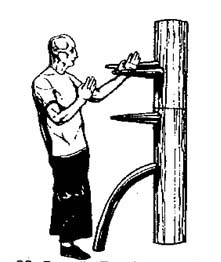
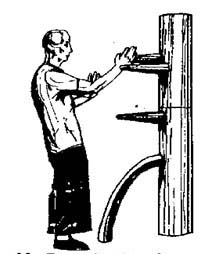
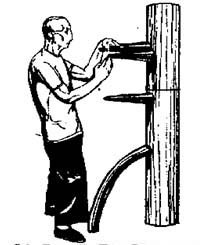
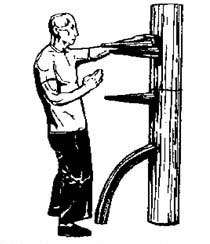
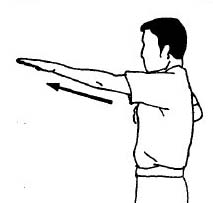
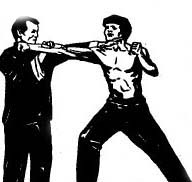
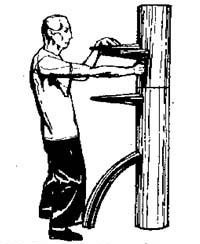
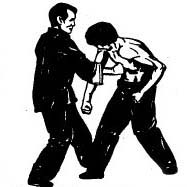
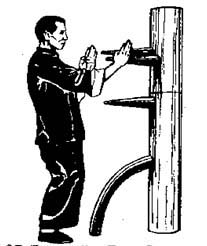
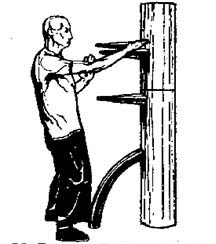
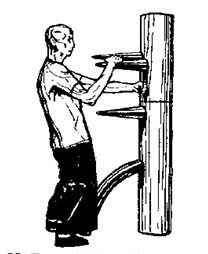
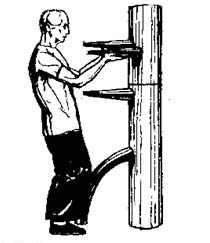
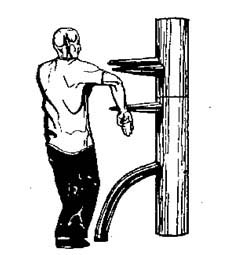
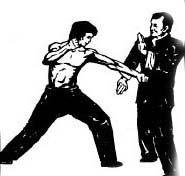
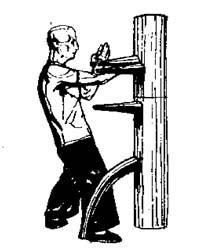
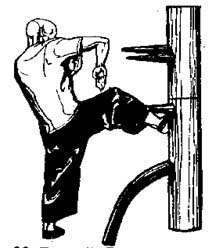
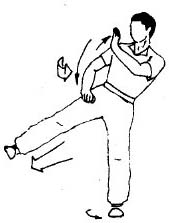
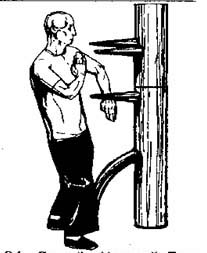
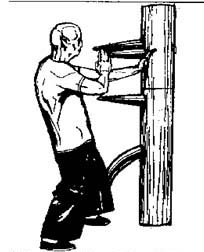
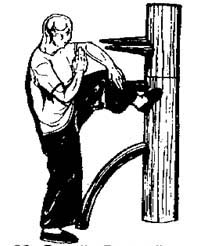
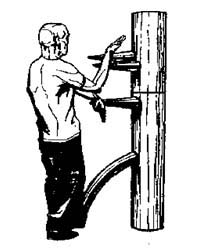
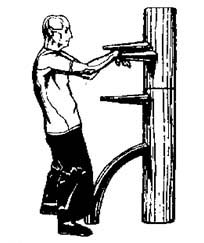
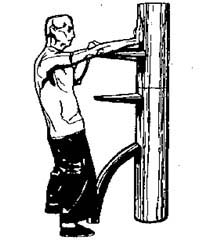
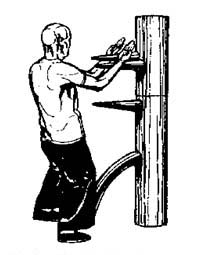
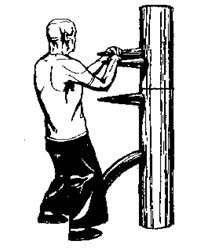
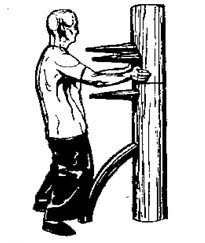
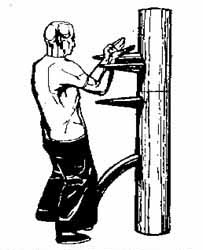
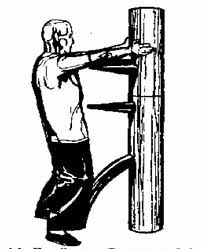
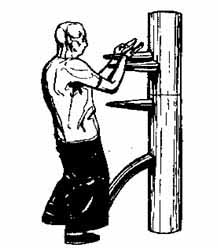
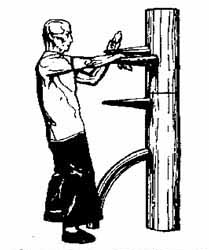
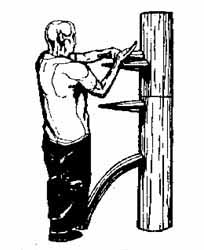
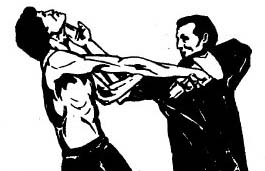
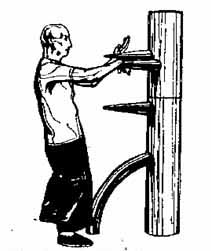
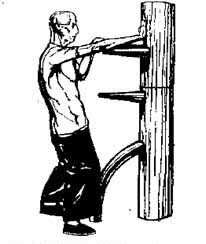
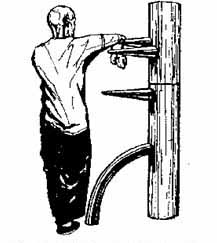
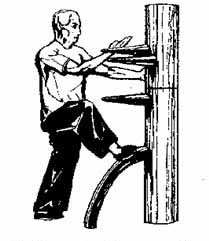
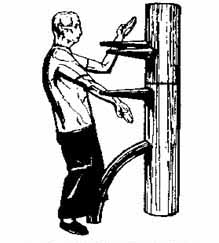
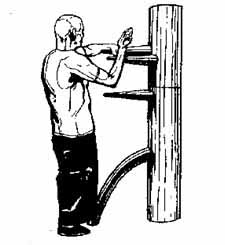
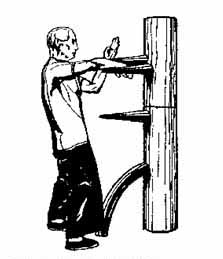
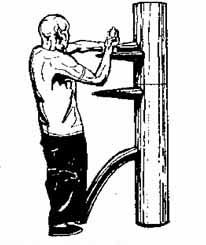
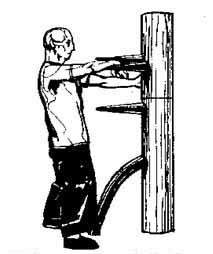
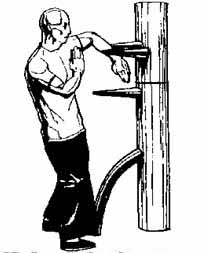
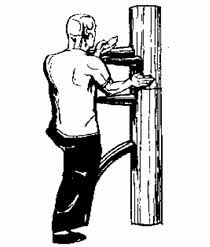
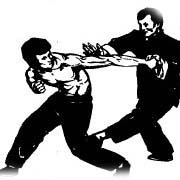
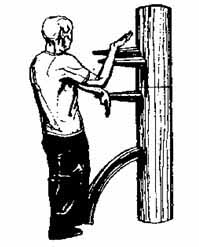
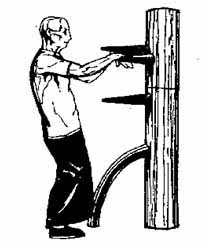
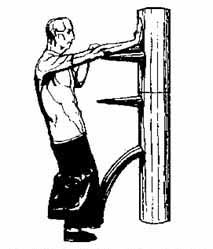
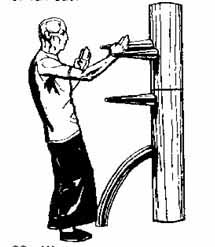
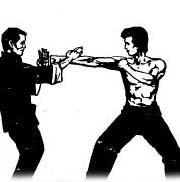
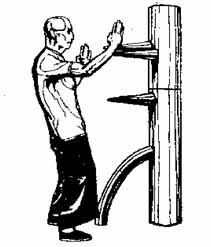
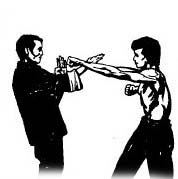
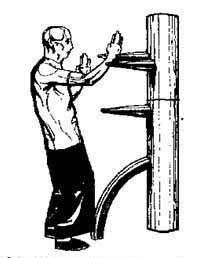
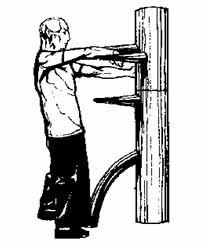
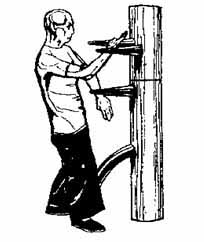
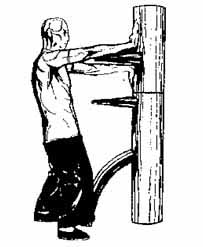
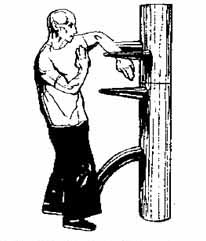
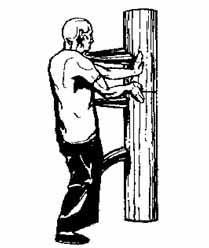
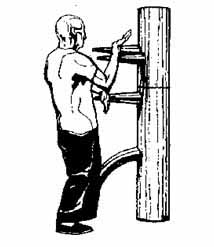
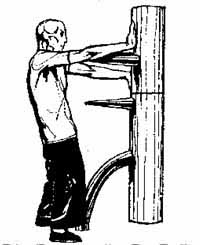
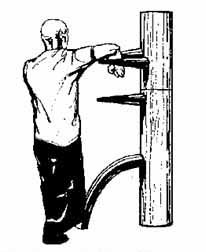
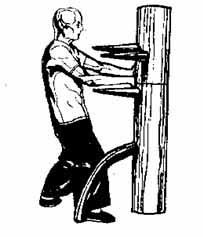
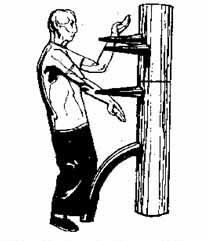
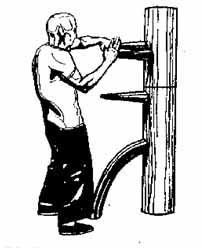
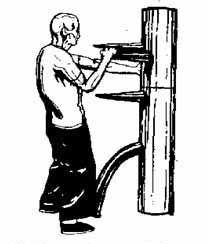
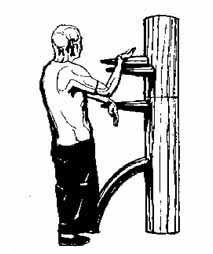
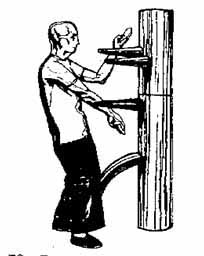
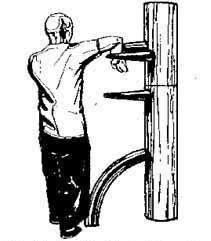
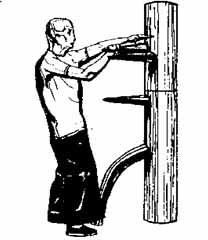
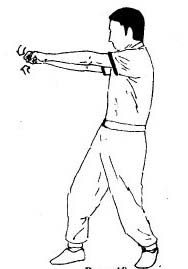
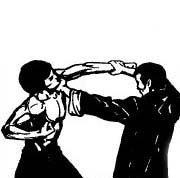
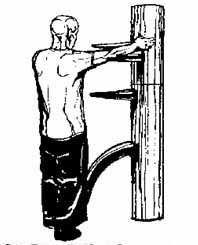
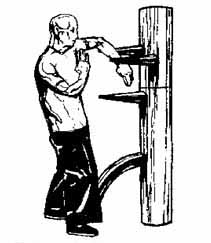
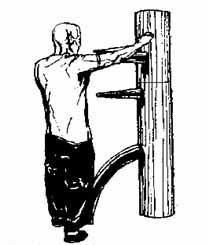
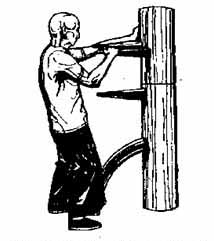
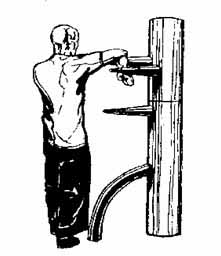
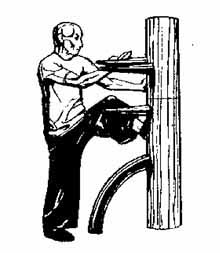
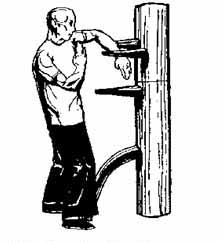
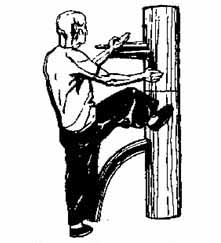
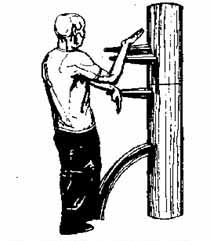
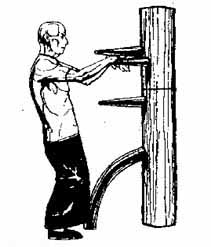
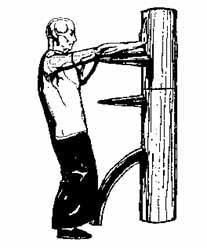
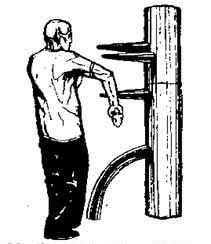
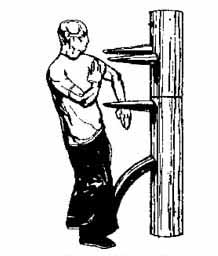
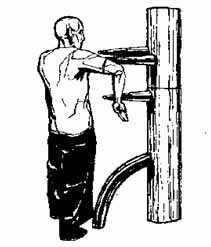
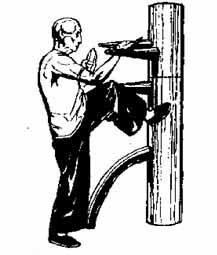
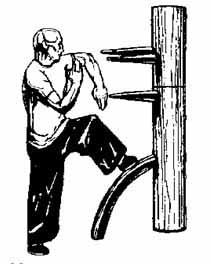
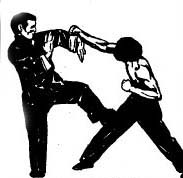
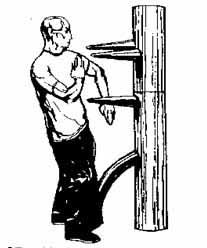
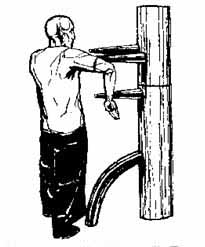
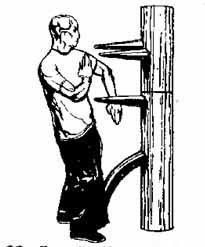
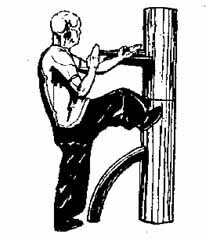
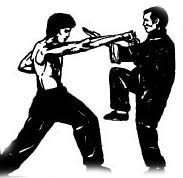
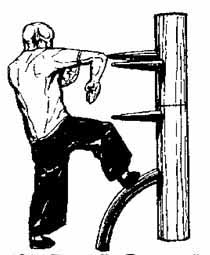
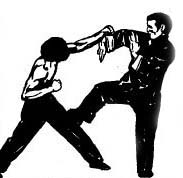
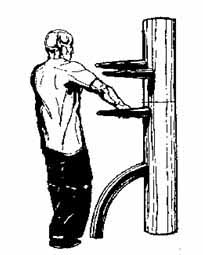
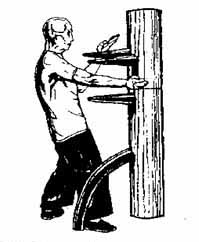
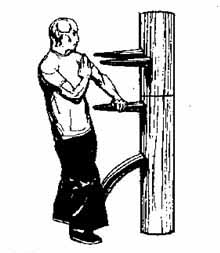
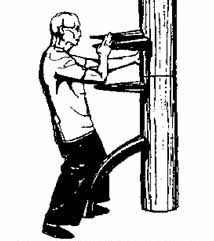
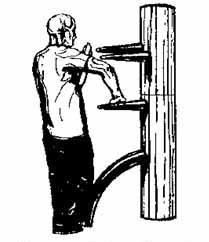
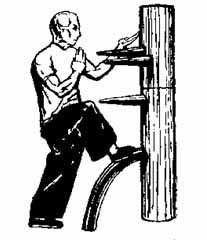
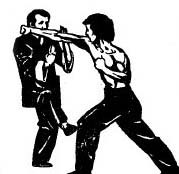
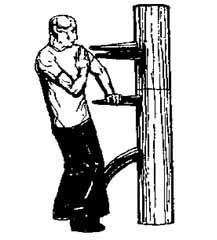
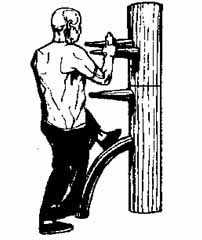
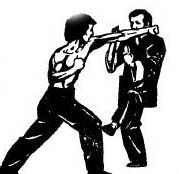
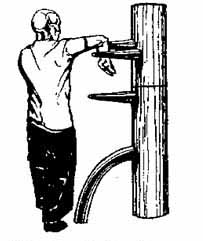
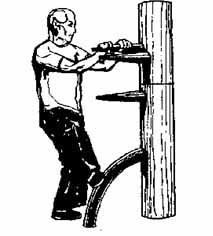
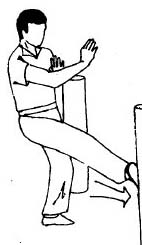
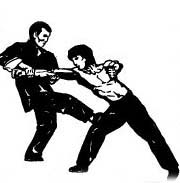
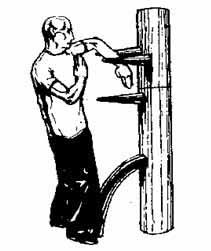
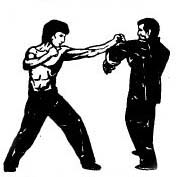
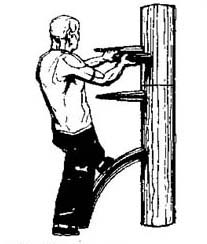
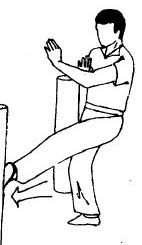
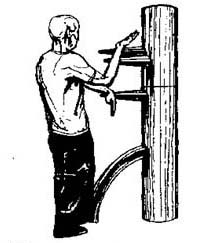
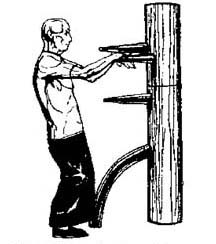
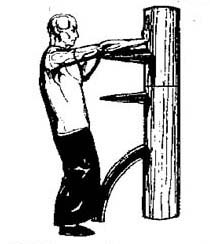
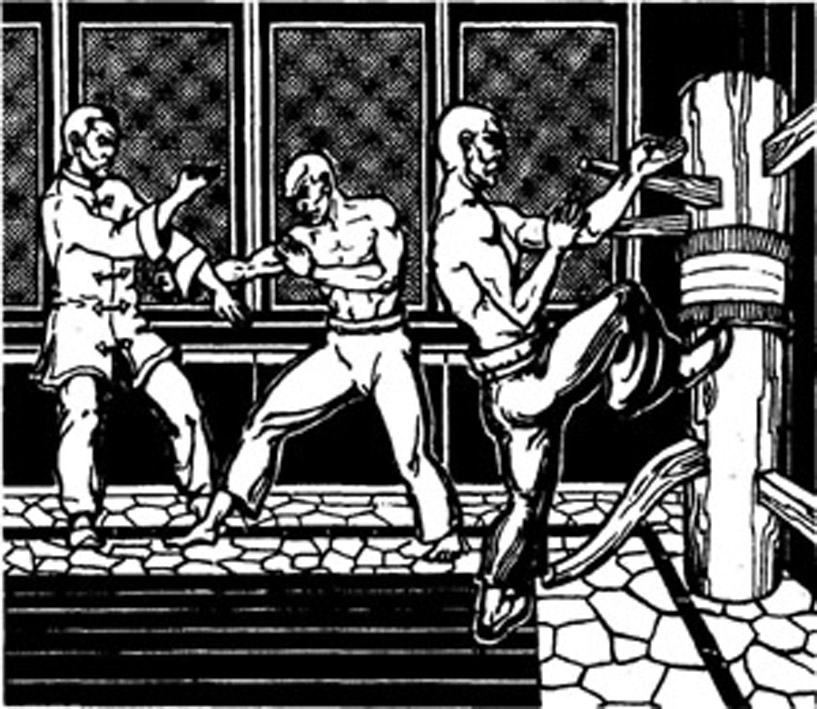
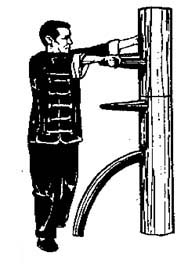
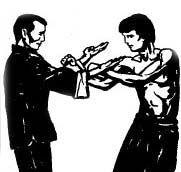
The Dummy - a versatile design, the system of life and knowledge generated of nowhere. The story of the dummy requires a separate investigation and treatment of the ancient treatises, and primary sources. But enough evidence to suggest that the history of a WD the longer of Wing Chun history as an independent style. Will there be a dummy to before create a Wing Chun or Wing Chun has appeared before - difficult to resolve the problem, which requires special studies.
|
| SECTION 1 | ||
![]() |
![]() |
![]() |
![]() |
![]() |
![]() |
![]() |
![]() |
![]() |
![]() |
![]() ![]() |
![]() |
![]() |
![]() |
![]() |
![]() |
![]() ![]() |
![]() |
![]() |
![]() ![]() |
![]() |
![]() |
![]() |
![]() |
![]() |
![]() |
![]() |
![]() |
![]() |
![]() |
| SECTION 2 | ||
![]() |
![]() |
![]() |
![]() |
![]() |
![]() |
![]() |
![]() |
![]() |
![]() |
![]() ![]() |
![]() |
![]() |
![]() |
![]() |
![]() |
![]() ![]() |
![]() |
![]() |
![]() ![]() |
![]() |
![]() |
![]() |
![]() |
![]() |
![]() |
![]() |
![]() |
![]() |
![]() |
| SECTION 3 | ||
![]() |
![]() |
![]() |
![]() |
![]() |
![]() |
![]() |
![]() |
![]() |
![]() |
![]() |
![]() |
![]() |
![]() |
![]() |
![]() |
![]() ![]() |
![]() |
![]() |
![]() |
![]() |
![]() |
![]() |
![]() |
![]() |
![]() ![]() |
![]() |
![]() |
||
| SECTION 4 | ||
![]() |
![]() |
![]() |
![]() |
![]() |
![]() |
![]() |
![]() |
![]() |
![]() |
![]() |
![]() |
![]() |
![]() ![]() |
![]() |
![]() |
![]() |
![]() |
![]() |
![]() |
![]() |
![]() |
![]() |
![]() |
![]() |
![]() |
![]() |
| SECTION 5 | ||
![]() |
![]() ![]() |
![]() |
![]() |
![]() ![]() |
![]() |
![]() |
![]() ![]() |
![]() |
![]() |
![]() ![]() |
![]() |
![]() |
![]() ![]() |
![]() |
![]() |
![]() ![]() |
![]() |
![]() |
![]() |
![]() |
![]() |
![]() |
![]() |
![]() |
![]() |
![]() |
![]() |
![]() |
![]() |
![]() |
![]() |
![]() |
![]() |
![]() |
![]() |
![]() |
![]() |
![]() |
![]() |
![]() |
![]() |
![]() |
![]() |
![]() |
![]() |
![]() |
![]() |
![]() |
![]() ![]() |
![]() |
![]() |
![]() |
![]() |
![]() |
![]() ![]() |
![]() |
![]() |
![]() |
![]() |
![]() |
![]() |
![]() |
![]() |
![]() |
![]() |
| SECTION 6 | ||
![]() |
![]() |
![]() |
![]() |
![]() |
![]() |
![]() |
![]()
|
![]() |
![]() |
![]() |
![]() |
![]() |
![]() |
![]() |
![]() |
![]() ![]() |
![]() |
![]() |
![]() |
![]() |
![]() |
![]() ![]()
|
![]() |
![]() |
![]() |
![]() |
![]() |
![]() ![]()
|
![]() |
![]() |
![]() |
![]() |
![]() |
![]() ![]()
|
![]() |
![]() |
![]() |
![]() |
![]() |
![]() |
![]() |
![]() |
![]() |
![]() |
| SECTION 7 | ||
![]() |
![]() |
![]() |
![]() |
![]() |
![]() |
![]() |
![]() |
![]() |
![]() |
![]() ![]() |
![]() |
![]() |
![]() |
![]() |
![]() |
![]() |
![]() |
![]() |
![]() ![]() |
![]() |
![]() |
![]() |
![]() |
![]() |
![]() |
![]() |
![]() |
![]() ![]() |
![]() |
![]() |
![]() |
![]() |
![]() |
![]() ![]() |
![]() |
![]() |
![]() |
![]() |
![]() |
![]() |
![]() |
![]() |
![]() |
![]() |
| SECTION 8 | ||
![]() |
![]() |
![]() |
![]() |
![]() |
![]() |
![]() |
![]() |
![]() |
![]() |
![]() ![]() |
![]() |
![]() |
![]() |
![]() |
![]() |
![]() |
![]() |
![]() |
![]() |
![]() |
![]() |
![]() |
![]() |
![]() |
![]() ![]() |
![]() |
![]() |
![]() |
![]() |
![]() |
![]() |
![]() |
![]() |
![]() ![]() |
![]() |
![]() |
![]() |
![]() |
![]() |
![]() ![]() |
![]() |
![]() |
![]() |
![]() |
![]() |
![]() ![]() |
![]() |
![]() |
![]() |
![]() |
![]() |
![]() ![]() |
![]() |
![]() |
![]() |
![]() |
![]() |
![]() ![]() |
![]() |
![]() |
![]() |
![]() |
![]() |
![]() |
![]() |
![]() |
![]() |
![]() |
![]() |
![]() |
![]() |
![]() |
![]() |
![]() |
যে অন্যের সাথে দুর্ব্যবহার করে, তার সাথে প্রতিশোধমূলক দুর্ব্যবহার হয়।
While many free PDFs exist, we encourage you to support small Bengali publishers by purchasing a legal copy if possible. However, for those with limited resources, the public domain treasures on Archive.org and NDLI are gifts. ishoper golpo pdf
For students, parents, and nostalgic adults, finding a reliable, complete is a common quest. This article serves as your comprehensive guide—exploring the history of these stories, their moral significance, where to find authentic PDFs, and why reading them in Bengali is crucial for cultural preservation. Part 1: What Exactly is “Ishoper Golpo”? Unpacking the Terminology The Aesop-Vidyasagar Connection Many Bengali speakers mistakenly attribute Ishoper Golpo to Ishwar Chandra Vidyasagar because of the similar prefix "Isho." However, the name derives from Aesop (Greek: Αἴσωπος), a slave and storyteller from ancient Greece (c. 620–564 BCE). Aesop never wrote his fables down; they were passed orally for centuries before being compiled. 620–564 BCE)
(English Moral: Do not do unto others what you would not want done to you.) their moral significance
পরের দিন বক শিয়ালকে নিমন্ত্রণ করল। সে একটি লম্বা সরু ঘটিতে খাবার দিল। শিয়ালের মুখ সেই সরু মুখের ঘটিতে ঢোকে না। বক নিজে আরামে খেল। শিয়াল ক্ষুধার্ত অবস্থায় ফিরল।
Have you found a rare edition of Ishoper Golpo ? Share the PDF link or scan in the comments below (if legal). Let’s build a digital library of Bengali classics together.