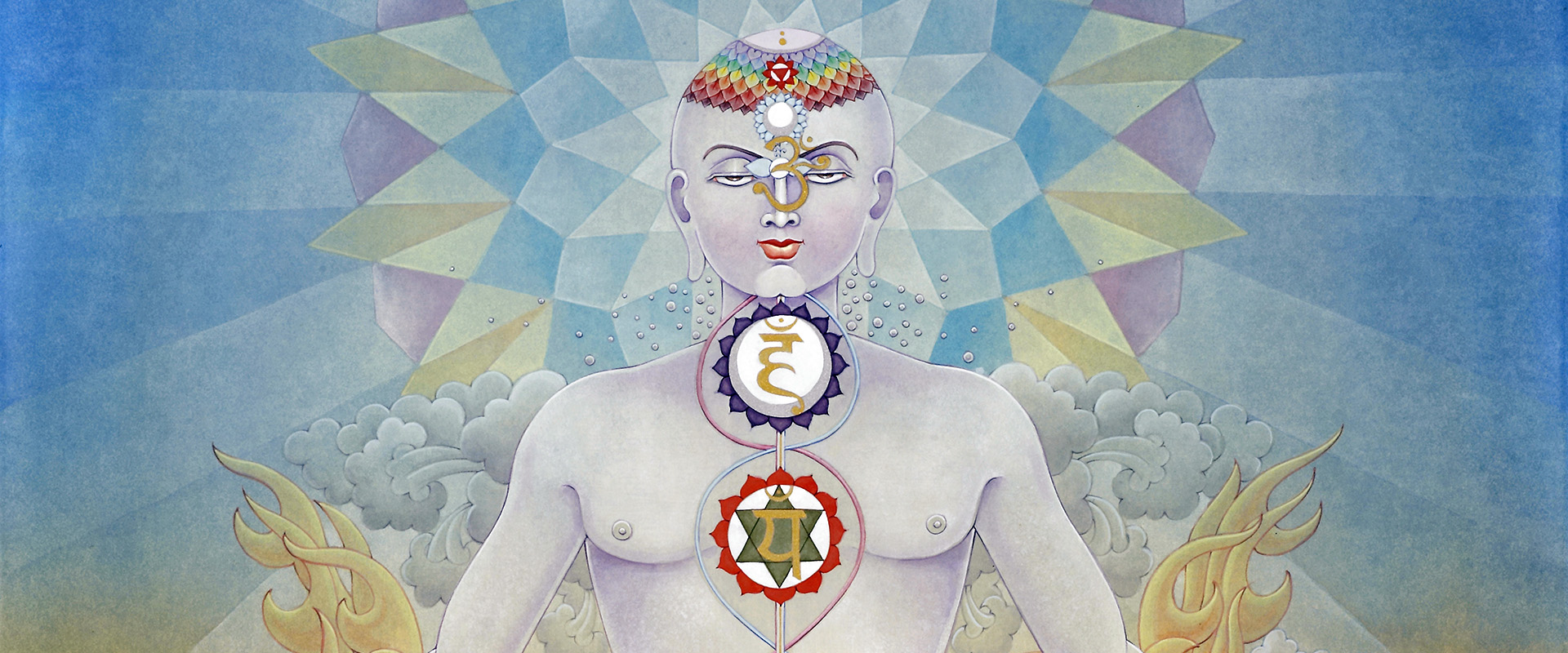
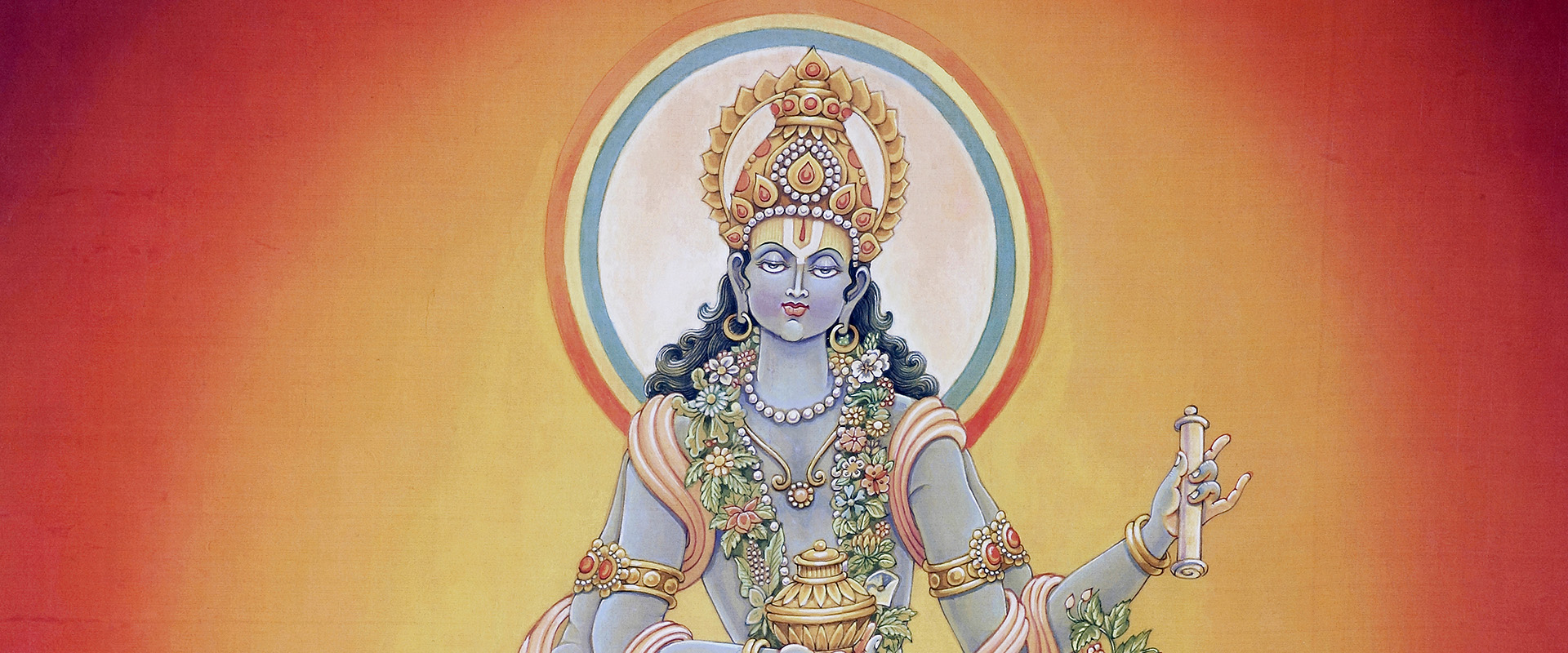
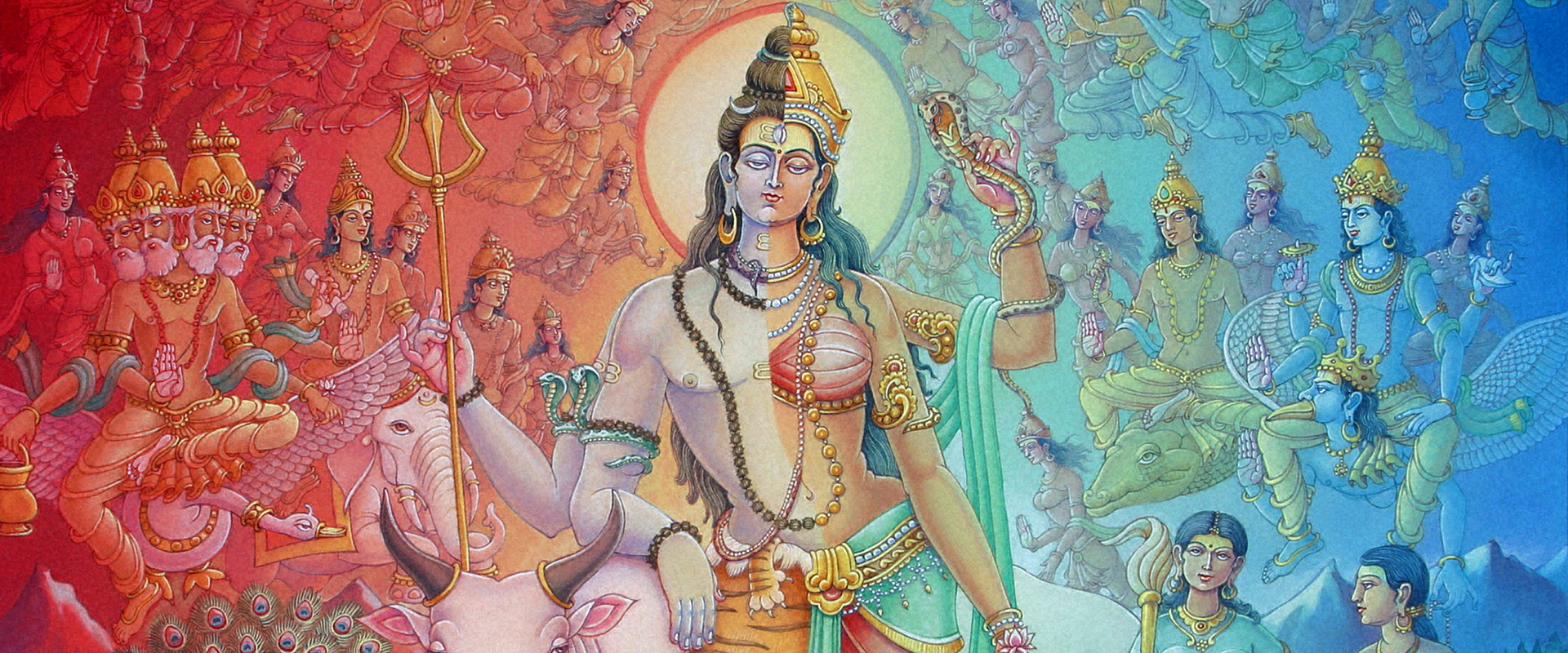
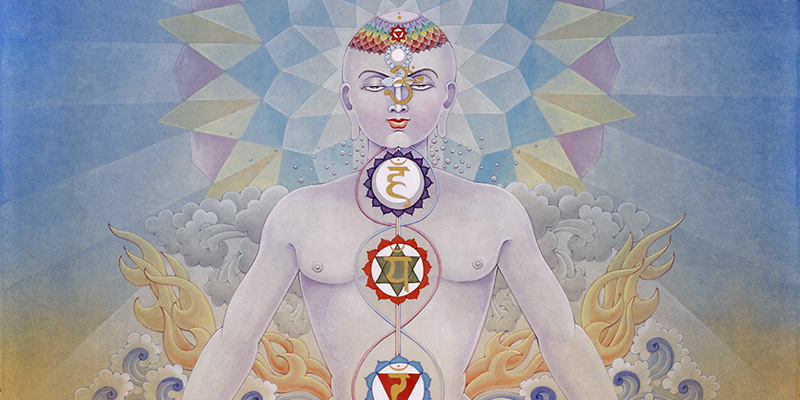
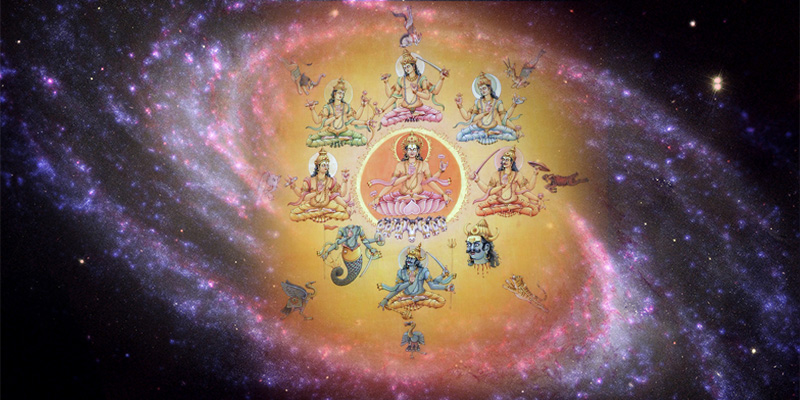
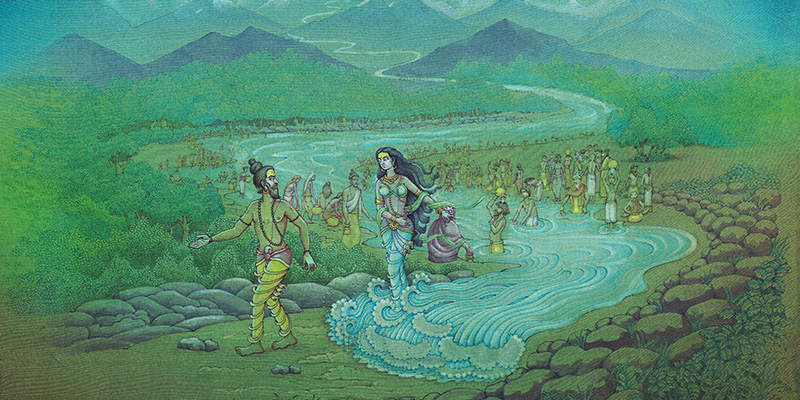
To spread the original, universal and eternal truth, path or law of yoga, which remains forever the same in essence, yet always adapts to the time and place.
|
To spread the original, universal and eternal truth, path or law of yoga, which remains forever the same in essence, yet always adapts to the time and place. |
|
Why? Because they recognized that the attack on trans kids is the vanguard of an attack on all queer people. The rhetoric used against trans youth—"groomer," "threat to children," "mentally ill"—is verbatim the rhetoric used against gay people in the 1970s. The LGB without the T realized that if the state can deny healthcare to a trans child, it can eventually revoke marriage licenses for gay couples. The alliance is not just moral; it is strategic.
However, the relationship was fraught from the start. In the 1970s and 80s, as the Gay Liberation movement sought mainstream acceptance, a "respectability politics" took hold. Many gay and lesbian activists, eager to shed the "deviant" label, distanced themselves from drag queens and transgender people. They fought for the right to say "we are just like you, except for who we love." ebony shemale links
Historically, the gay bar was the only public space where a trans person could exist without immediate arrest. For a closeted gay man in the 1980s, the bar was a place for sex and connection. For a trans woman, it was a matter of survival—a place to find community, exchange hormones, or find shelter. While the goals differed (hookup vs. safety), the geography was the same. The LGB without the T realized that if
This tragedy forced a reluctant unification. In the 1980s and 90s, the US government ignored the plague killing gay men. Simultaneously, trans women (many of whom were sex workers) were dying at even higher rates, but their deaths went uncounted. ACT UP (AIDS Coalition to Unleash Power) became a rare space where cis gay men, lesbians, and trans people fought shoulder-to-shoulder against a common oppressor. The rage of ACT UP is a shared inheritance of both modern gay culture and trans activism. Points of Friction: The "T" in the Acronym To ignore friction is to be dishonest. The trans community often feels like the "T" is silent in LGBTQ culture. In the 1970s and 80s, as the Gay
As state legislatures across the US and Europe introduced bills banning gender-affirming care for minors, the broader LGBTQ culture faced a choice. By and large, the gay and lesbian community chose to fight. Major gay advocacy groups (HRC, GLAAD) pivoted resources to trans rights. Gay bars hosted trans benefit nights. Lesbian book clubs read trans theory.
In mainstream media, when LGBTQ topics are covered, the "T" is often either hyper-visible (as a scandalous spectacle) or invisible. Gay marriage was the "happy ending" narrative of the 2010s. But the trans narrative—surgeries, legal name changes, bathroom bills—is often framed as a problem rather than a celebration. Consequently, trans people within LGBTQ orgs often report feeling like "the clean-up crew" or "the debate team," forced to justify their existence while gay and lesbian colleagues discuss parade floats. The Modern Synergy: No Pride Without Trans Pride The last decade has witnessed a dramatic realignment. Following the legalization of gay marriage in the US (2015), the center of gravity for LGBTQ activism shifted. The fight moved from "the right to marry" to "the right to exist in public."